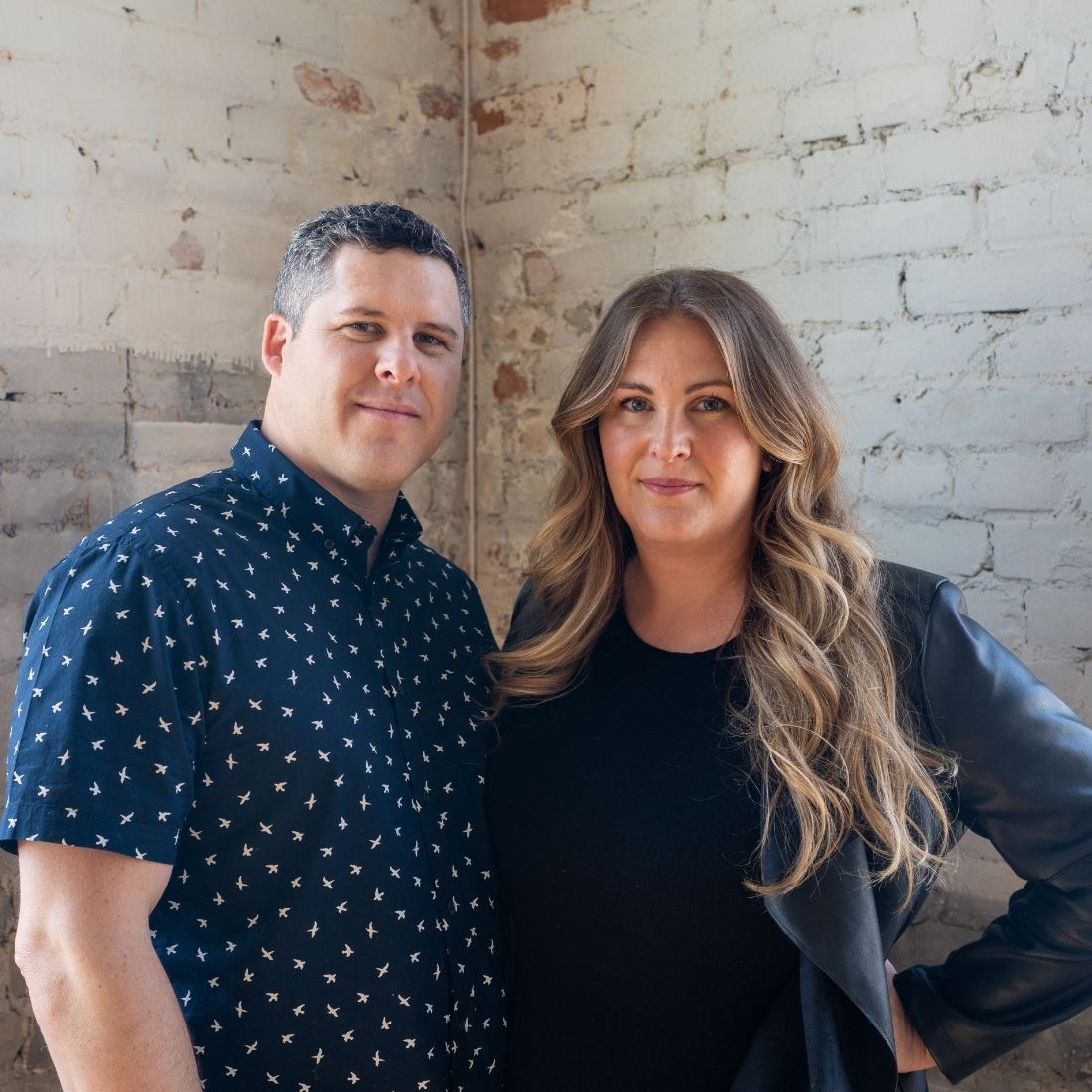
The Coast to Coast Homes Team

Thinking out loud about real estate.

No fluff, no funnels. Real experience from a team managing a real portfolio - shared because we believe an informed investor is a better partner.

The Bank Held. What That Means From a Private Lender's Seat.

The Bank of Canada held at 2.25% for the third time in 2026. Cuts force you to reprice. Hikes force you to reposition. Holds let the book breathe.

From a private lender's seat, holds are the easiest condition to operate in. We've been pricing on the view that the policy rate stays in this neighbourhood for a while yet. Wednesday's decision confirms that view, for now.

Market Lens · May 2026 Read More →

The Boring Parts, Finally on Autopilot

Private lending paperwork used to take most of a morning. With AI tooling built into the workflow, that same package takes minutes — with fewer errors than the manual version produced.

We're not replacing people with AI. We're using it to clear the repetitive work off the desk so the judgment-heavy decisions get the time they deserve. From the investor side, nothing looks different. Distributions go out when they're supposed to. That's always been true. The difference is how much less of our day it takes to keep it that way.

Operations · May 2026 Read More →

What Makes a Real Estate Partnership Actually Work

Most partnerships fail before the first problem hits - not because of bad deals, but because the hard conversations never happened.

Nine years of building Coast to Coast Homes has taught us something most investors learn the hard way: finding the right partner is harder than finding the right property. The deal is the easy part. What comes after - the misaligned decisions, the undiscussed expectations, the moments when values diverge under pressure - that's where partnerships quietly fall apart.

We've distilled everything we've learned into a free guide: The Perfect Partner Playbook. Five non-negotiables for a partnership that holds, a checklist to run before you sign anything, and the honest questions most people never ask until it's too late.

Free Download - April 2026 Read Article + Free Download →

The Hundred Small Ones

A note on trust, consistency, and what's been quietly working across the portfolio.

Nicole Fiore, Co-Founder of Coast to Coast Homes Canada

I keep coming back to a story the Globe and Mail reported in February.

A Guelph-area operator built a real estate portfolio that reached $300 million in assets. He was a known face in his community. His investors included retired teachers, a single mother, the deputy chief of police's brother, the former coach of the local junior hockey team. Families who pooled their savings. People who trusted someone they saw at community events, someone who looked the part and, for years, delivered the returns.

By July 2025, the company was in receivership. 182 creditors were owed $94.3 million. A 65-year-old widow was forced out of retirement. Another investor ended up living in a garage. Families are still asking where the money went.

What stays with me isn't the scale of it. It's the faces. These were ordinary people who did what we'd all like to do - find someone they believed in and trust them with something they'd spent years building. The failure wasn't in their judgment. It was in the silence that came before the crisis. The monthly updates that got vague. The questions that didn't quite get answered. By the time the silence became obvious, it was already too late.

"Trust isn't built in the big moments. It's built in the hundred small ones that no one sees. That's what this newsletter is. It's the small ones."

We built Coast to Coast Homes knowing that the people who invest with us are trusting us with something real. A retirement they worked for. A future they're trying to protect. We show up every month, whether or not there's good news to share, because the month we don't is the month you should start asking questions. That's not a policy. It's a promise.

Trust isn't built in the big moments. It's built in the hundred small ones that no one sees. That's what this newsletter is. It's the small ones.

Source: The Globe and Mail, February 2026 - Reid's Heritage Properties

March 2026 Investor Update Subscribe to Updates → View Opportunities →

Market Reality Check

The latest CMHC data tells a story we've been expecting. Here's what it means, what we're watching, and how we're positioning the portfolio.

Colin Ernst, Co-Founder and CEO of Coast to Coast Homes Canada

The latest CMHC data tells a story we've been expecting: housing starts are projected to decline through 2028, and the rental market is shifting. New supply is hitting cities like Toronto and Vancouver, which means rising vacancy rates and slower rent growth ahead.

This isn't cause for panic - it's a call for precision. The easy growth years are behind us. Now the operators who survive and thrive will be the ones with strong fundamentals.

What I'm Watching

  • Operating efficiency: When rent growth slows, every expense line matters. We're tightening our oversight and ensuring our systems give us real-time visibility into cash flow.
  • Tenant retention: Keeping good tenants costs less than finding new ones. We're doubling down on responsive maintenance and proactive communication.
  • Conservative projections: We're stress-testing our assumptions against softer market scenarios. Better to underestimate and overdeliver.

The fundamentals haven't changed - disciplined operations, quality assets, long-term thinking. The market is just demanding we execute them better.

"The easy growth years are behind us. Now the operators who survive and thrive will be the ones with strong fundamentals."

If you're looking for an investing partner who shows up for the work behind the scenes, we're always glad to walk you through how we approach it. Good management shapes results - and we'd rather you understand our approach before you need to rely on it.

See the portfolio View Current Opportunities →

The Foundation We Keep Strengthening

A year-end reflection on what held steady, what we chose, and what we're carrying forward into 2026.

Nicole Fiore and Colin Ernst, Co-Founders of Coast to Coast Homes Canada real estate investment

Colin and I have been walking together most mornings lately. We make tea, pull on our jackets, and head out to the trail behind the house before our phones light up with the day's demands. Sometimes we talk about a property decision we are working through. Sometimes we talk about what we are seeing in the markets or just walk without saying much at all. We started doing this years ago because we realised how much clearer we think when we move. Taking care of ourselves physically and mentally changes the way we show up in the work, and we have made that a priority.

This year moved quickly. The properties performed well. The projects progressed on schedule. Investor relationships strengthened in ways that mattered. Looking back, what stands out to me is how steady the year felt even when the workload was heavy. We stayed close to the principles that have always guided our decisions. We prioritised care over speed. We chose transparency over convenience. We built with the long view in mind, even when short-term pressures appeared.

"Steadiness is not accidental. It is the foundation we have been strengthening year after year."

That steadiness is not accidental. It is the foundation we have been strengthening year after year.

As we step into 2026, we are not reinventing our approach. We are building on what we know holds up and will continue doing that - one thoughtful choice at a time.

The people who have walked this path with us, each with their own reasons, their own goals, make the work better. We are grateful for your trust. We hope you get time with the people you love over the coming weeks. We will be recharging with ours.

Cheers to 2026.
~ Nicole

Stay connected

Get investor updates, new articles, and free resources: directly to your inbox.

The Back Office Problem Nobody Talks About

Most investors focus on acquisition strategy and financing. Meanwhile, the quiet cost of admin chaos compounds in the background - costing 10+ hours a week for the average multi-property operator.

There's a version of real estate investing that looks great from the outside. The portfolio is growing. The properties are occupied. The returns are where they need to be. And then there's what happens behind the scenes - the inbox full of vendor emails that never got organised, the lease that might be in a folder somewhere, the maintenance call that came in at 9pm and still hasn't been tracked properly.

This is the back office problem. And nobody talks about it, because it's not glamorous. Acquisition strategy gets podcasts. Financing structures get mastermind groups. But the 12 hours a week that quietly drain experienced operators? That part tends to get absorbed, accepted, and eventually normalised.

Why It Compounds

The real cost of back-office chaos isn't just time. It's the decisions that get made without good information. It's the vendor who's been overcharging because nobody's tracked the invoices. It's the tenant who stopped paying on time - three months ago - and the first you knew about it was when you were looking for something else entirely.

Clean operations give you visibility. They give you the ability to respond before things become problems instead of after. They give you the kind of clarity that lets you scale without chaos following you into every new acquisition.

"A portfolio is a collection of assets. A system is what holds those assets together when something goes wrong."

What We Did About It

After nine years of managing a 150-door portfolio across four provinces, we've built and rebuilt our back-office systems more times than I'd like to admit. What works isn't complicated. It's a consistent structure: every property documented the same way, every vendor interaction captured, every quarter reviewed against the same template.

The Core Install is the version of those systems that we've made available externally. It's not a course. It's a working set of templates and workflows you can put into use the same week you get them. If you've been meaning to get your operations organised, this is the practical starting point.

But before you invest in anything, take the audit. Nine questions, two minutes, instant results. It will tell you exactly where your back office is working against you - and where it's actually fine.

Related Tool Take the Free Audit → Explore the Core Install →

How Private Lending Actually Works

A plain-language explainer on what it means to be a private lender, how private mortgage lending works in Canada, and the questions you should ask before putting a dollar into any deal.

Most people who become private lenders don't start out looking to be private lenders. They start with capital they want to put to work - an RRSP, a TFSA, proceeds from a business sale, or just savings that have been sitting in a savings account earning less than inflation. They've heard about real estate, they know it tends to hold its value, and someone they trust has told them there's a better way to participate than buying and managing a property yourself.

That better way, for a lot of people, is private lending. And it's simpler than most people expect.

The Basics

As a private lender, you're acting as the bank. You lend money to a developer or operator - secured against real property - and you receive interest in return. The loan is registered on title, which means your position is legally protected. If the borrower defaults, you have recourse through the property itself.

The terms vary by deal, but a typical private mortgage in a C2C transaction looks like this: a 12-month term, a fixed interest rate, registered in first or second position on title, and eligible for registered funds (RRSP, TFSA, RESP) through a qualified trust company like Olympia Trust.

First vs. Second Position

Position matters. A first-position lender is paid first in the event of a default - ahead of everyone else with a claim against the property. Second position is paid after the first, which means slightly more risk, and typically a higher return to compensate. We're transparent about position in every deal we bring to investors, and we explain exactly what it means for that specific property and situation.

"Your capital is secured against a physical asset you can see, touch, and verify. That's meaningfully different from most other places your money could be."

What to Ask Before You Lend

The questions that matter most are straightforward. What's the loan-to-value ratio - meaning what percentage of the property's value are you lending against? What's the exit strategy - how does the borrower plan to repay you? Who are the people asking for the loan, and what's their track record? And what happens if the project is delayed or the market moves?

We answer all of these in every conversation we have with prospective lenders. And we're comfortable when people ask hard questions - because we've been operating long enough that we have honest answers.

If you're curious about what a private lending opportunity with C2C looks like specifically, the Opportunities page is the best place to start. Or reach out directly - we'd rather talk through it than have you make a decision without the full picture.
Ready to learn more? View Current Opportunities →

A Portfolio Is Not a System

A portfolio is a collection of assets. A system is what holds those assets together when something goes wrong. After 9 years across 4 provinces, here's what ours actually looks like.

When people ask about our portfolio, they usually want to know the numbers - doors, provinces, returns, occupancy rate. Those are easy to give. What's harder to explain, and what matters more over the long run, is the infrastructure underneath the numbers.

A portfolio without a system is just a list of liabilities that happen to be generating income right now. The moment something breaks - and something always breaks - a portfolio without a system becomes a very expensive problem to solve in real time.

What a System Actually Is

In practice, a system is the set of answers you've already given to the questions you're going to get asked. What happens when a tenant stops paying? There's a process. What happens when a furnace fails in February? There's a process and there's a vendor. What happens when an investor has a question about their return? There's a communication rhythm they already understand.

We're not talking about complicated software or enterprise-level frameworks. We're talking about documented, repeatable responses to predictable events. The value isn't in the technology. It's in having thought through the scenarios before they happen.

"The moment something breaks - and something always breaks - a portfolio without a system becomes a very expensive problem to solve in real time."

How Ours Works

Our system covers three areas: communication, documentation, and decision-making. Communication means investors hear from us on a schedule, not only when there's good news. Documentation means every property has the same records in the same place, regardless of province or property type. Decision-making means we've defined in advance what requires escalation and what gets handled at the operational level without pulling anyone else in.

None of this happened all at once. It got built over years, one failure at a time. The Core Install is the practical output of that process - the templates and workflows that represent what we actually use, stripped of everything that turned out not to matter.

If you're building a portfolio right now, start the system before you need it. Not because it's complicated, but because building it under pressure is significantly harder than building it in advance.

Take the first step Free Back Office Audit → The Core Install →

Inside Deep River: What a 150-Door Hold Actually Looks Like

What does a well-managed multi-family long-term hold actually look like from the inside? A look at our flagship Deep River asset - what we acquired, how we manage it, and what we've learned.

Deep River is a small town in Ontario, about two and a half hours west of Ottawa, sitting on the Ottawa River. It's the kind of town that doesn't make headlines. It has a stable employment base, a low vacancy rate, and a community of long-term residents who tend to stay. For the right operator, it's exactly the kind of market that makes sense.

30 Montcalm is a 32-unit apartment building that we acquired as our flagship long-term hold. It's not a value-add play or a quick flip. It's a building we intend to own and operate well for a long time - and that intention shapes every decision we make about how it's managed.

What We Looked For

The acquisition criteria were straightforward: stable market, strong occupancy fundamentals, manageable deferred maintenance, and a price point that allowed for conservative financing. Deep River checked every box. The building itself was solid, the tenant base was stable, and the income profile was predictable in the way we look for in a long-term hold.

We also looked hard at what we were buying into at the community level. Deep River has Atomic Energy of Canada Limited as an anchor employer. The town is not dependent on a single industry the way some smaller markets are - there's a government presence, a hospital, a school system. It's the kind of stability you don't always find when you're looking outside major urban centres.

"It's a building we intend to own and operate well for a long time - and that intention shapes every decision we make."

How We Manage It

Management at this scale is about rhythm. Monthly reporting. Proactive communication with tenants. A maintenance workflow that responds quickly to what matters and doesn't create unnecessary friction. A vendor network that we've built trust with over time.

The building has a YouTube video tour available on our Opportunities page - it's worth watching to get a feel for the property and the quality of the units. We take pride in the standard we hold, and the video reflects that honestly.

What Private Lenders Look Like Here

Private capital has been part of how we've structured the financing on this asset. If you're interested in understanding what a lending position in a building like 30 Montcalm looks like - the terms, the structure, the timeline - the Opportunities page has current details and the Expression of Interest form is the best way to start a conversation.

See the property View Deep River →

Why We Chose Truro

14 homes sold. Every one at a profit. A new duplex phase opening now. Here's the ground-level read on why we chose Truro - and what the Longview project looks like from the inside.

We started looking at Truro seriously about four years ago. The fundamentals were there - a regional hub with growing demand, a housing supply that wasn't keeping up, and a market that hadn't yet attracted the kind of speculative attention that inflates prices and compresses margins in larger centres.

What we kept coming back to was the need. Truro has families who want to stay in the community they grew up in, young professionals who've moved back, and a healthcare and education sector that's generating steady employment. These are people who need housing - not luxury product, not high-density urban infill. Homes people can afford to live in, built to a standard they can be proud of.

The Longview Track Record

We've now sold 14 homes through the Longview project, and every one of them sold at a profit. That's not luck. It's the result of pre-selling before we build, financing conservatively, and working with a local team that understands this market deeply. When we say we work with the right people, we mean people who have been building in Truro for decades - who know the soil, the permits, the contractors, and the buyers.

The next phase is opening now. Phase 1 is already under construction. Phase 2 is coming in mid-April and involves first-position lending on raw land - one of the cleaner entry points for investors who want secured exposure to an active development at an early stage.

"We pre-sell before we build. We finance conservatively. We communicate with our investors before there's a problem, not after."

What We've Learned

Development is slower than everyone expects and faster than you're ready for in the moments that matter. The lesson we keep learning is that the preparation - the relationships, the systems, the financing structure - determines how the difficult moments go. We've had surprises. Every project does. What's different is that we've built the infrastructure to absorb them without passing the problem to our investors.

If Truro is something you want to understand more specifically - the current investment options, the projected timelines, the mechanics of how registered funds can participate - the Opportunities page has everything current, and the Expression of Interest form is how you start a real conversation with us.

See the current opportunity View Longview, Truro →